
Eye Gel vs Eye Drops: Which Is Right for Dry Eyes?
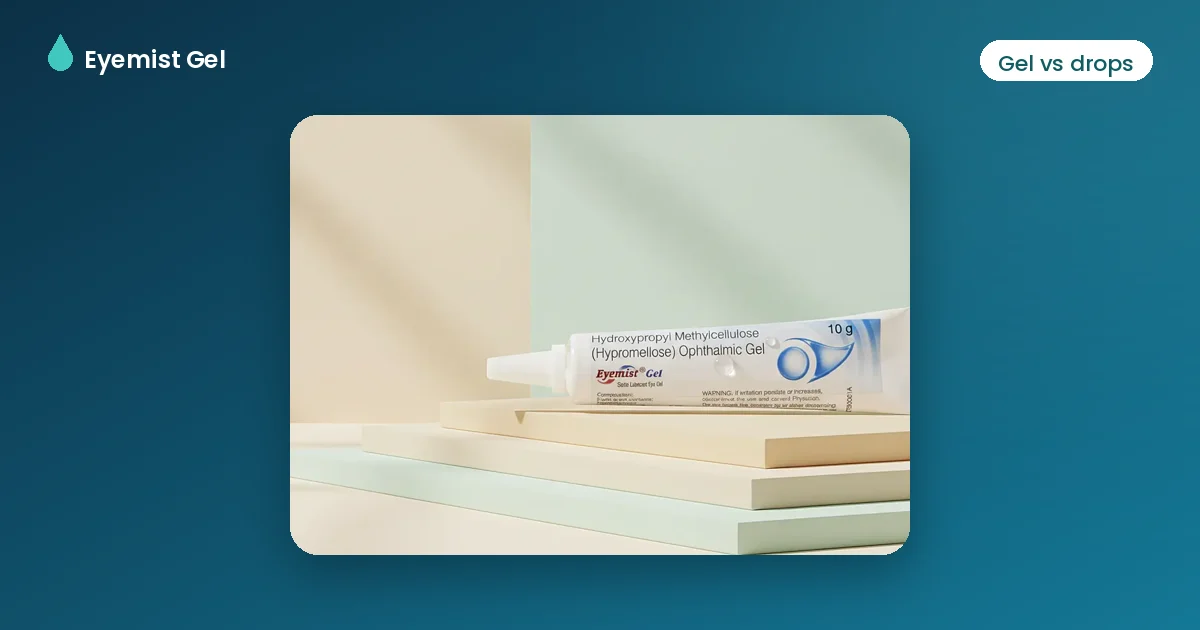
Standing in the eye-care aisle, the choice usually comes down to two formats: thin, watery eye drops or a thicker lubricant eye gel. Both exist to relieve dry, irritated eyes — but they behave differently on the eye's surface, and picking the right one for the right moment makes a real difference to comfort.
How watery eye drops work
Classic artificial tears are thin liquids. They spread across the eye instantly, feel light, and give quick refreshment; being thin liquids, they are typically reapplied through the day. That makes drops convenient for daytime top-ups, especially mid-task.
How a lubricant eye gel works
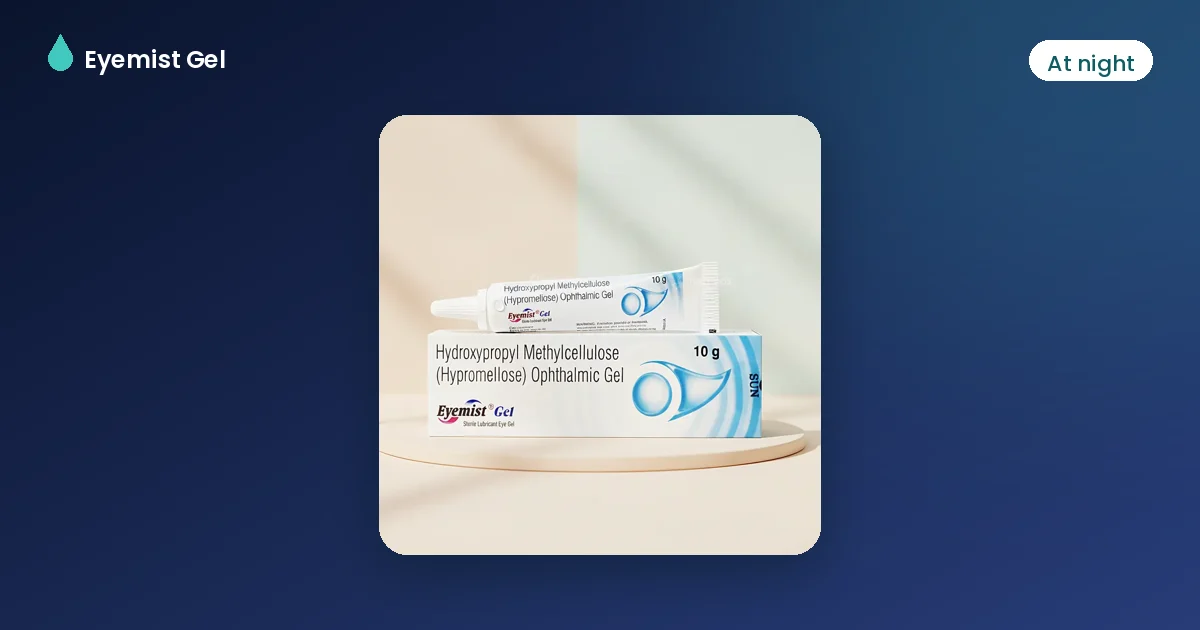
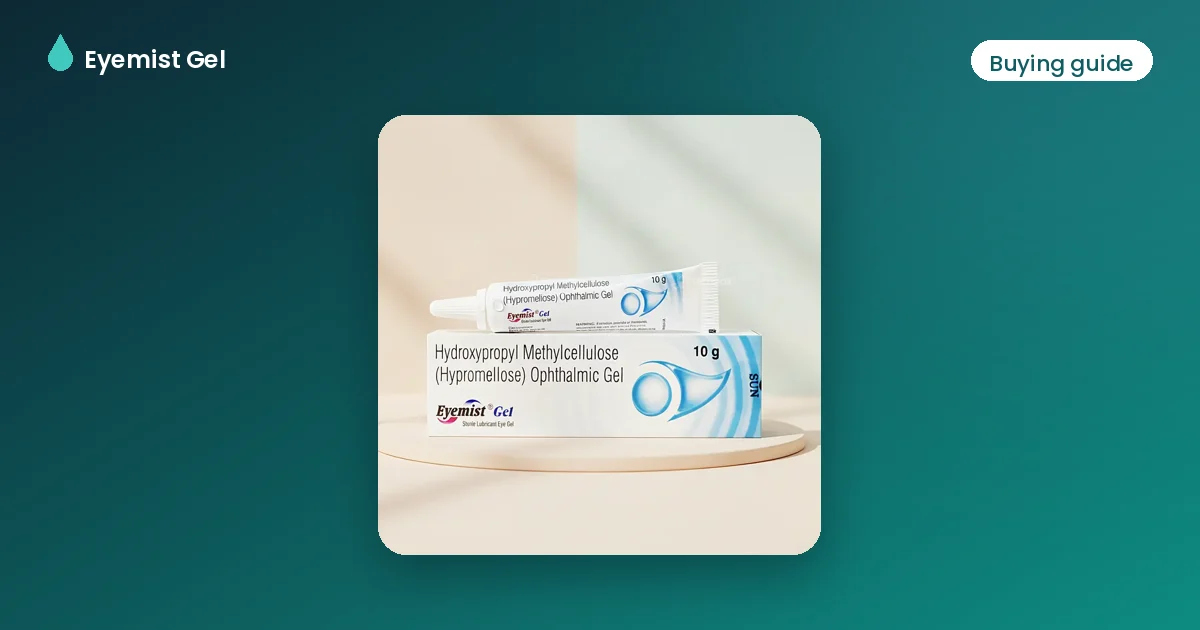
A gel such as Eyemist Gel is built around a lubricating polymer — hypromellose (HPMC) 0.3% — in an aqueous vehicle. The thicker texture forms a cushioning layer that coats the surface of the eye. The trade-off is honesty-worthy: right after application a gel can briefly blur your vision while it spreads, which is why many people prefer gels for the evening, overnight, or other moments when crisp vision is not immediately needed.
Eye gel vs eye drops, side by side
| Watery drops | Lubricant gel | |
|---|---|---|
| Texture | Thin liquid | Thicker gel |
| First feel | Instant, light refresh | Cushioning, coats the eye |
| Consistency on the eye | Spreads and clears quickly | Thicker layer that coats the eye |
| Vision right after use | Clear almost immediately | May blur briefly while spreading |
| Typical moment | Daytime top-ups | Evening, overnight, dry environments |
What about "gel eye drops"?
Some products are sold as gel eye drops, gel drops or liquid gel. They usually come in a dropper bottle and sit between the two formats: thicker than standard artificial tears, but thinner than a gel squeezed from a tube. A tube gel such as Eyemist Gel is at the thicker end of that range. If you want the lightest feel during the day, thin drops or gel drops fit; if you want a thicker layer in the evening or before sleep, a tube gel is the usual choice. For the heaviest format, an ointment, see eye gel vs eye ointment.
When drops make sense
- Quick relief in the middle of a work task, when you cannot afford blurring
- Light, occasional dryness that passes with one application
- Topping up comfort during the day between gel applications
When a gel earns its place
- Overnight: many people apply a gel before bed for dryness that shows up overnight or in the morning. See our bedtime routine with a lubricant eye gel
- Dry environments: heated or air-conditioned rooms, aeroplane cabins, winter air
- Long screen days: many people choose a gel for the evening after a screen-heavy day — see our guide to dry eyes from screens and contact lenses
- End of a lens day: after removing contact lenses, when eyes feel worn out
Many people land on a simple combination: thin drops within the day, a gel in the evening. If you are comparing specific gel products, our guide to choosing a lubricant eye gel shows how to read the labels.
Using a gel correctly
Technique matters more with a gel than with drops. The short version: wash your hands, pull the lower eyelid down to form a small pocket, apply 1 or 2 drops of gel without letting the tube touch the eye, then blink slowly to spread it. The illustrated steps are on the Eyemist Gel page, together with the safety and storage notes worth reading before first use.
This article is general information, not medical advice. If dryness persists or worsens, or you use prescription eye medication, talk to an eye-care professional.
Ready to try the gel format?
Eyemist Gel — sterile hypromellose 0.3% lubricant eye gel in a 10 g tube. Free tracked US shipping, 60-day money-back guarantee.
See the gel-vs-drops breakdownRelated Articles
Eye Gel vs Eye Drops — Frequently Asked Questions
Honest answers about Eyemist Gel, ordering and everyday use.
Comments (0)
No comments yet. Be the first!