
Warm Compress for Dry Eyes: How to Do It Right

A warm compress for dry eyes is a folded cloth or heated eye mask held gently against closed eyelids for several minutes to soften thickened oil inside the eyelid glands, so that oil flows more easily into the tear film and reduces the gritty, burning feeling of dryness. It is a first-line home step for many people, not a cure, and it works best done the right way, at the right temperature, for the right amount of time.
Key takeaways
- A warm compress softens thickened meibum (the oily layer of your tears) so it flows more easily onto the eye's surface.
- Use a comfortably warm, never hot, compress for about ten minutes, re-warming it if it cools too fast.
- Gentle lid cleaning after the compress helps clear debris from the lash line once the oil has loosened.
- People with active eye infection, recent eye surgery, or an eye injury should ask an eye doctor before trying this at home.
- A lubricant gel can be applied after the routine to help hold moisture on the eye's surface.
Before You Start: What to Gather and Check
A few minutes of preparation keeps the routine safe and effective. Skip any step on this list and you risk burns, contamination, or simply wasting the heat before it does any good.
- Wash your hands with soap and water before touching your face or eyelids.
- Pick a clean washcloth, a reusable gel eye mask, or a microwaveable bead mask — whichever you choose, make sure it has not been used for anything else.
- Check that any heated mask is undamaged and follow its manufacturer's heating instructions exactly; overheating is the main cause of compress-related burns.
- Remove contact lenses first unless your lens packaging or eye doctor has told you otherwise.
- If you wear eye makeup, take it off before applying heat, since trapped residue can irritate the lid margin.
- Set aside about ten uninterrupted minutes so you are not rushing the session.
How Do You Apply a Warm Compress for Dry Eyes, Step by Step?
Each step below does one thing. Follow them in order and the heat has time to reach the glands under the skin instead of just warming the surface.
- Soak a clean washcloth in warm (not hot) water, or heat a mask per its instructions.
- Wring the cloth so it is damp, not dripping, to keep water out of your eyes.
- Sit somewhere comfortable and close both eyes.
- Lay the compress over both closed eyelids, from the lash line up to the brow.
- Rest your hand lightly on the compress — just enough contact to transfer heat, no pressing.
- Keep the compress in place for about ten minutes, re-warming a washcloth once it cools, which typically happens within a couple of minutes.
- Remove the compress and pat your lids dry if needed.
- Move on to lid cleaning or your usual lubricant gel or drops, if you use one.

How Warm Should the Compress Be?
The compress should feel comfortably warm on the back of your wrist before you put it on your eyes — never hot enough to sting. The oily secretion inside the eyelid glands, called meibum, softens at roughly skin-warm to body-warm temperatures, which is why a gentle, sustained heat works better than a brief blast of very hot water. The TFOS DEWS II report (2017) lists lid warming among the first-line measures for evaporative dry eye linked to meibomian gland dysfunction, precisely because consistent, moderate warmth is what loosens the blockage without irritating the delicate eyelid skin.
How Long and How Often Should You Repeat It?
Most guidance points to around ten minutes per session, since a shorter warm-up rarely gives the oil enough time to liquefy. A standard wet washcloth cools quickly, so expect to re-wet and re-warm it partway through rather than letting the session run cold. How often you repeat the routine — daily, or only when your eyes feel dry — depends on your symptoms, so if you are not sure, it is reasonable to ask an eye doctor what frequency fits your case.
Which Compress Method Works Best?
There is no single right tool — the method you will actually stick with every day usually beats the theoretically ideal one you abandon after a week. Here is how the common options stack up on the things that matter for a home routine.
| Method | Heat retention | Reusability | Setup effort |
|---|---|---|---|
| Plain washcloth | Cools within a couple of minutes; needs re-soaking | Wash after each use | Low — most people already own one |
| Reusable gel eye mask | Holds warmth longer than a washcloth | Reusable; needs microwave or warm water each time | Low to moderate |
| Microwaveable bead mask | Holds steady, even warmth for longer sessions | Reusable for an extended period | Moderate — requires a microwave |
Washcloth or Reusable Mask — Does It Matter Which You Pick?
A washcloth works fine for an occasional dry-eye evening, but it loses heat fast, so you will be reheating it several times to finish a full session. A reusable gel or bead mask stays warm longer and needs less fuss once you are mid-routine, which matters if you do this daily rather than once in a while. Either way, the goal is the same: steady, comfortable warmth against closed lids, not the type of material delivering it.
What Should You Do With Your Eyelids After the Compress?
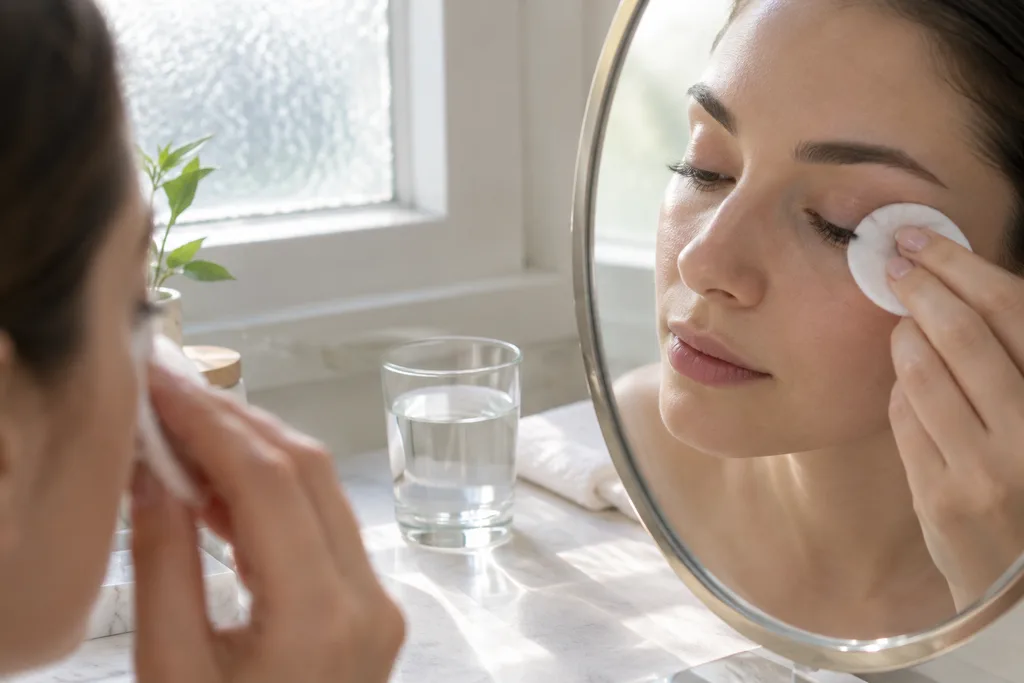
Once the oil has softened, a short lid-cleaning step helps carry loosened debris away from the lash line instead of letting it resettle. Dampen a clean cotton pad or a dedicated lid-cleaning wipe and gently sweep along the base of the lashes, moving horizontally rather than scrubbing. Rinse with clean, cool water afterward if you used any cleanser, and avoid rubbing the eye itself.
Some routines also include a very light lid massage — gentle, brief downward or upward strokes along the lid, away from the eyeball — but only if an eye doctor has specifically recommended it for you. Pressing too hard or massaging without guidance can do more harm than good, so when in doubt, skip the massage and stick to warmth and cleaning.
Who Should Avoid Warm Compresses or Ask a Doctor First?
Warm compresses are not right for every situation. Skip the routine, or check with an eye doctor before trying it, if any of the following apply to you.
- You have an active eye infection, discharge, or a recent eye injury.
- You have had eye surgery in the past few weeks and have not been cleared for home lid care.
- You notice a lump, lesion, or unusually tender swelling on the eyelid.
- You have very thin or fragile eyelid skin from a skin condition or recent treatment.
- A child is the one with dry or irritated eyes — a parent should check with a pediatric eye doctor first.
- You are already using prescription eye drops and are unsure whether heat or added moisture could interact with your treatment.
Can You Use a Lubricant Eye Gel With a Warm Compress?
Yes — a warm compress and a lubricant gel address two different parts of the same problem. The compress works on the oily layer inside the eyelid glands, while a gel adds a demulcent layer directly on the eye's surface to help relieve the burning and irritation of dryness for a while afterward. Many people do the compress first, then apply their lubricant once the lids are dry, often as part of a bedtime routine.
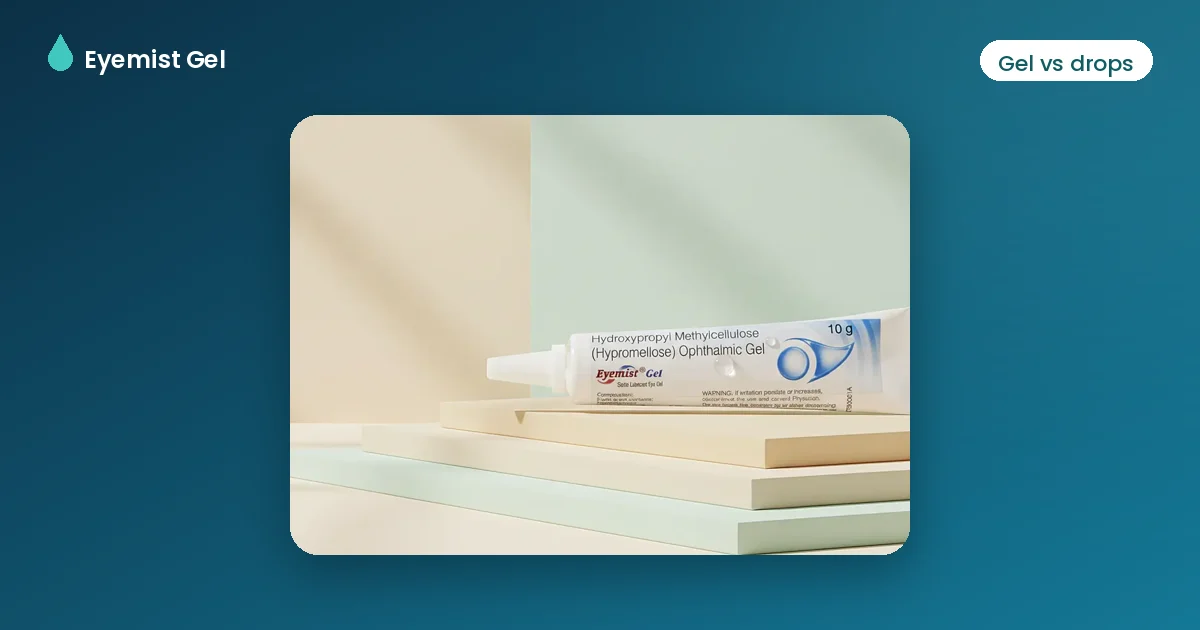
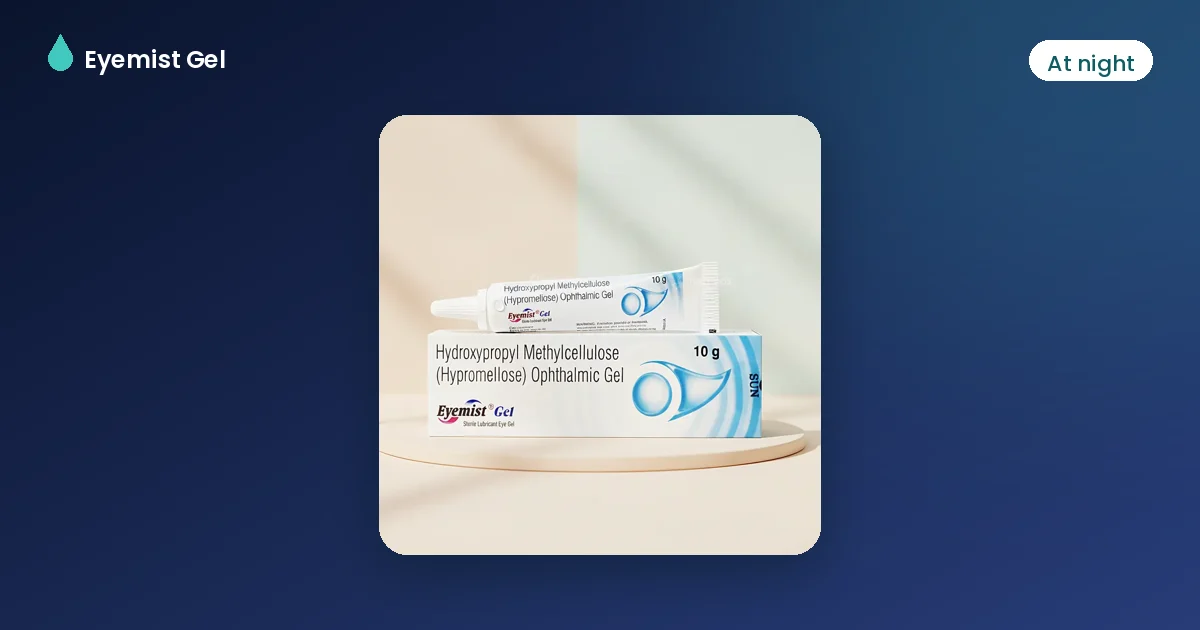
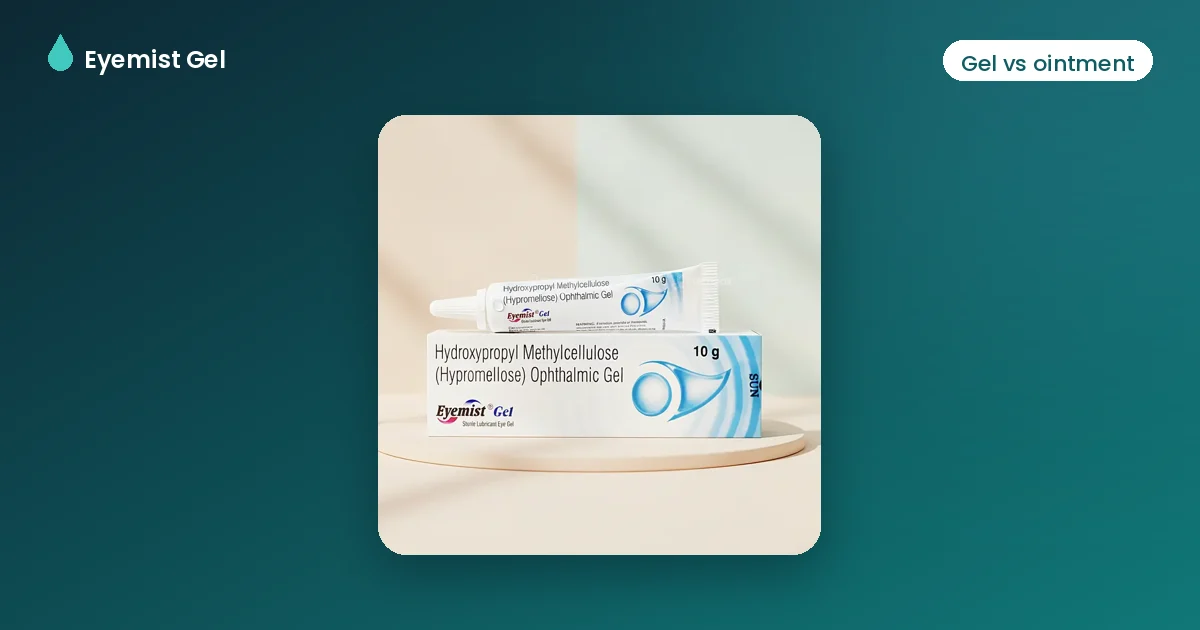
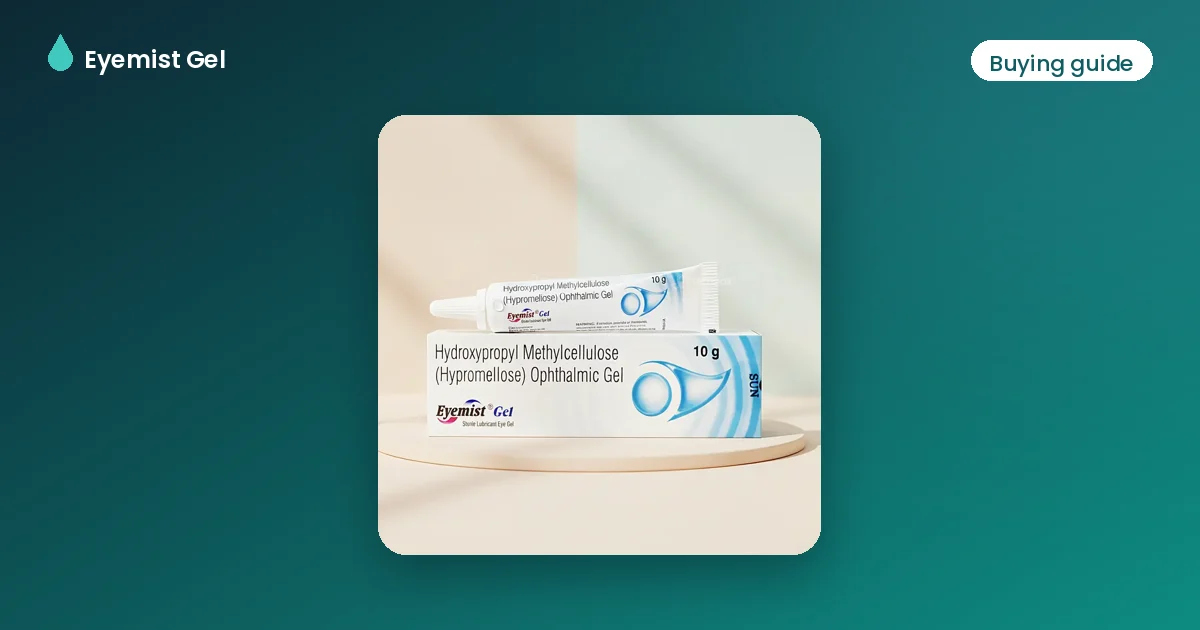
When we talk with customers about building a simple routine, the question that comes up most is what to use right after the compress, since the eyes can feel dry again within minutes once the warmth fades. A product like Eyemist Gel, a sterile lubricant eye gel with hypromellose 0.3%, is labeled for the temporary relief of dryness and can be applied following the directions on its Drug Facts label once your eyelids are clean.

When to See an Eye Doctor
Stop using a warm compress or any lubricant eye gel and see an eye doctor if you notice eye pain, any change in your vision, redness or irritation that does not improve, or symptoms that get worse or last more than 72 hours. People who have had recent eye surgery, have an eye injury or suspected infection, are caring for a child with eye symptoms, or already use prescription eye drops should check with an eye-care professional before starting a warm compress routine. According to MedlinePlus, persistent dry eye symptoms can have several underlying causes, so ongoing discomfort is worth a professional look rather than repeated home treatment alone.
This article is for general information and is not medical advice. Always read and follow the product label, and talk to an eye doctor if your symptoms persist or worsen.
Related Articles
Frequently Asked Questions
Honest answers about Eyemist Gel — ingredients, how to use it, shipping, and returns.
There is no single number that fits everyone; it depends on how your symptoms respond and whether an eye doctor has suggested a specific schedule. Many people start with a daily session of about ten minutes and adjust from there, while others use it only on days their eyes feel especially dry. If a few weeks of consistent use bring no change, it is worth having your eyes checked rather than increasing frequency on your own.
Used correctly — comfortably warm, not hot, with gentle contact — a warm compress is unlikely to worsen dry eyes. Problems arise mainly from excess heat, which can burn delicate eyelid skin, or from pressing too hard during massage. If you develop pain, increasing redness, or blurred vision after a compress, stop and check with an eye doctor.
Most routines use the warm compress first to loosen the oily secretion in the eyelid glands, followed by gentle lid cleaning, and then a lubricant drop or gel once the lids are dry. Applying a gel before heat has no real benefit, since the compress works on the glands under the skin rather than on the surface layer the gel coats.
Yes, a clean, damp washcloth heated to a comfortably warm temperature works for an occasional session. It cools faster than a reusable gel or bead mask, though, so expect to re-wet and re-warm it a few times to keep the full session at an effective temperature.
For dryness linked to thickened oil in the eyelid glands, warmth is generally the more useful approach because it helps the oil soften and flow, while cold tends to reduce oil and tear production. Cold compresses have their own place for short-term swelling or minor eye irritation, but they are not the typical first choice for ongoing dry eye discomfort.
Comments (0)
No comments yet. Be the first!