
Blinking Exercises for Dry Eyes: A Simple Routine

Blinking exercises for dry eyes are a short, repeated pattern of deliberate full blinks and gentle eyelid squeezes, done every 15 to 20 minutes, that help re-coat the eye's surface with tears. They work because a complete blink spreads all three tear film layers evenly, something a partial blink often misses during screen work.
Key takeaways
- A complete blink closes the eyelids fully and briefly, mixing oil, water, and mucus layers across the eye's surface.
- Focused screen tasks can cut blink rate and completeness, letting the tear film dry out faster than normal.
- A basic routine takes under a minute and can be repeated several times during a workday.
- Pairing the routine with scheduled breaks and an over-the-counter lubricant addresses both the habit and the dryness itself.
- Persistent pain, vision changes, or worsening redness call for an eye doctor visit, not more exercises.
Why Does Focused Screen Work Lower Your Blink Rate?
When you concentrate on a screen, a book, or fine detail work, your brain devotes less attention to the automatic blink reflex. The result is fewer blinks per minute, and many of the blinks that do happen are partial, closing only part way down the eyelid.
The American Academy of Ophthalmology notes that people tend to blink less often while looking at digital screens, which lets the tear film evaporate between blinks. A partial blink does not fully press the meibomian glands along the eyelid margin, the glands that release the oily layer that slows tear evaporation.
Over a long stretch at a desk, that gap adds up. Dry patches form on the cornea's surface, and the eyes start to feel gritty, tired, or stingy by mid-afternoon. This is the mechanism blinking exercises are designed to interrupt.

What Do You Need Before You Start the Routine?
The routine below needs no equipment and takes under a minute each time you do it. Still, a short checklist helps you do it safely and get a fair read on whether it helps your eyes.
- A quiet moment where you can close your eyes for a few seconds without missing anything on screen.
- Clean hands if you plan to touch near your eyes at all during the sequence.
- Contact lens wearers can keep lenses in for blinking exercises themselves, since no product touches the eye.
- A phone timer or a recurring calendar reminder, since the routine only works if it's repeated through the day.
- If you have a diagnosed eye condition, had recent eye surgery, or wear prescription eye drops, ask your eye doctor before adding a new eye routine.
Do You Need to Remove Contact Lenses First?
No. Because the exercise is just closing and opening the eyelids, lenses stay in place and are not disturbed. If your contacts already feel dry by the end of the day, pairing the routine with a rewetting drop designed for lens wear, per that product's label, addresses the lens side of the problem separately.
How Do You Perform the Blinking Exercise Routine, Step by Step?
This sequence is adapted from blink-pattern research and takes roughly 10 to 15 seconds per round. Do each step once per round, then repeat the whole round a few times.
- Sit comfortably and look straight ahead, away from your screen.
- Close your eyelids gently, as if blinking normally, and hold for about two seconds.
- Open your eyes fully.
- Close your eyelids again the same way and hold for about two seconds.
- Open your eyes fully.
- Squeeze your eyelids shut more firmly than a normal blink, hold for about two seconds, then release.
- Pause for a few normal blinks before starting the next round.
A 2021 trial in PubMed had participants with dry eye symptoms run this exact three-step cycle repeatedly through the day for four weeks and reported improvements in blink pattern and symptom scores. That's a single small study, not a guarantee of results for every reader.
What Does a Complete Blink Feel Like?
A complete blink brings the upper and lower eyelid margins fully together, even if just for an instant. You can check your own pattern by watching in a mirror: a partial blink leaves a thin visible strip of the eye uncovered, while a complete one closes it entirely before reopening.

How Often Should You Repeat the Routine During the Day?
There is no single official dosing schedule for blinking exercises, since this is a habit tool rather than a drug. Most published approaches tie the routine to a recurring interval rather than a fixed daily count.
| Approach | Trigger | Good fit for |
|---|---|---|
| Timed interval | Every 15-20 minutes, set by a phone alarm | Desk jobs with long, uninterrupted screen blocks |
| Task-linked | Each time you finish an email, a call, or a document | Work with natural pauses between tasks |
| Paired with the 20-20-20 rule | During the 20-second look-away break | Anyone already using that habit for eye strain |
Whichever trigger you pick, consistency through the day matters more than doing one long session.
Can You Overdo Blinking Exercises?
Blinking itself carries essentially no physical risk. The firm eyelid squeeze step should stay gentle rather than straining the muscles around the eye; if your eyelids feel sore or fatigued afterward, ease off the force of the squeeze rather than stopping the routine entirely.
How Do Blinking Exercises Work Alongside Breaks and a Lubricant Gel?
Blinking exercises address the habit side of dryness: restoring a more complete, more frequent blink. They do not add moisture on their own, so pairing them with scheduled breaks and an over-the-counter lubricant covers both sides of the problem.
Looking away from your screen every 20 minutes, sometimes called the 20-20-20 approach, gives your eyes a moment where no focused task is suppressing your natural blink rate. Layer the blinking sequence into that same pause and you get two habits reinforcing each other in one short break.
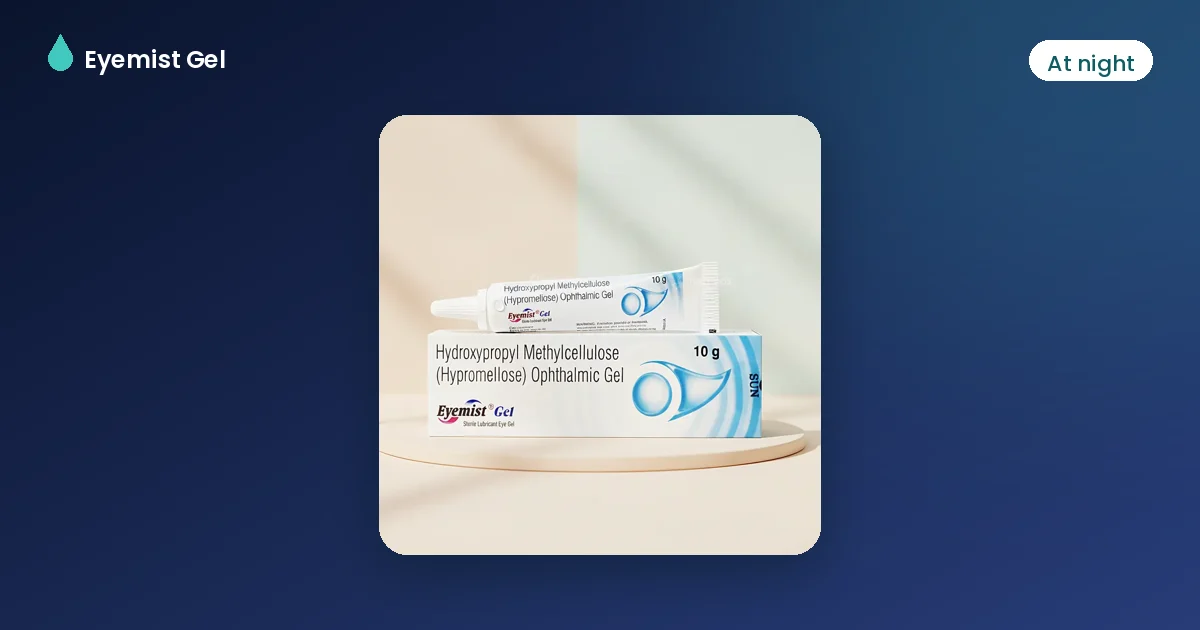
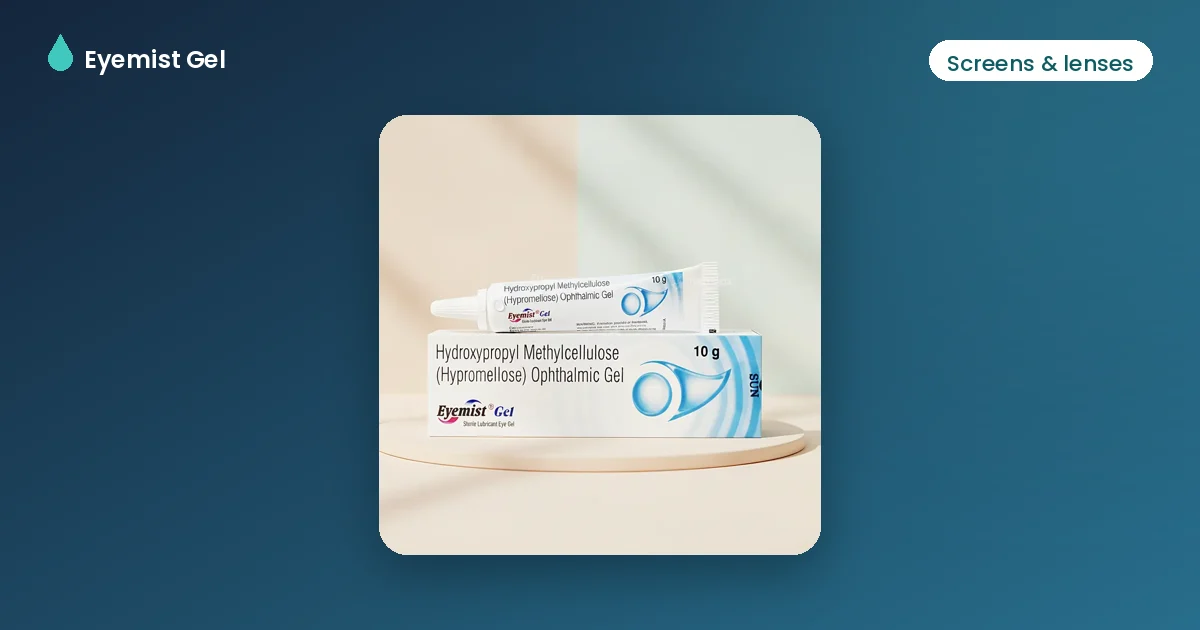
For the moisture side, a sterile lubricant such as Eyemist Gel, a hypromellose 0.3% lubricant eye gel, is labeled for the temporary relief of burning and irritation due to dryness of the eye. Follow the directions printed on its Drug Facts label, avoid letting the tip touch your eye or any surface, and replace the cap after each use.

When Should You See an Eye Doctor Instead of Relying on Exercises?
Blinking exercises and lubricant drops only relieve the symptoms of dryness; they do not diagnose or fix an underlying cause. Stop using any eye product and see an eye doctor if you notice eye pain, a change in vision, continued redness or irritation, or symptoms that get worse or last more than 72 hours.
Anyone recovering from eye surgery, dealing with an eye injury or infection, caring for a child's eyes, or already using prescription eye drops should check with an eye-care professional before adding a new routine or product. Chronic dryness can sometimes point to a condition that needs its own evaluation, and an eye doctor is the right person to sort that out.
This article is for general information and is not medical advice. Always read and follow the product label, and talk to an eye doctor if your symptoms persist or worsen.
Related Articles


Frequently Asked Questions
Honest answers about Eyemist Gel — ingredients, how to use it, shipping, and returns.
Small studies suggest that deliberate blinking routines can modify poor blink habits and ease some dry eye symptoms, especially for people who stare at screens for long stretches. Evidence so far comes from small trials, not large-scale research, so results vary between people and exercises work best alongside breaks and, when needed, a lubricant eye product.
There's no fixed timeline, since response depends on how consistently you repeat the routine and what's causing your dryness in the first place. Published research followed participants over several weeks of repeated practice through the day, not a single session, so give the habit time before judging whether it helps you.
Yes. The routine only involves closing and opening your eyelids, so it doesn't disturb a contact lens sitting on the eye. If your lenses dry out by late in the day, that's a separate issue best handled with a rewetting drop made for lens wear, used according to its label.
The 20-20-20 approach is a break schedule: every 20 minutes, look at something 20 feet away for 20 seconds to relax focused eye muscles. Blinking exercises are a specific blink-and-squeeze sequence you can slot into that same break to directly target blink completeness, so the two work well together rather than as alternatives.
Many people combine both, since blinking exercises address blink habits while a lubricant adds moisture the tear film is missing. An over-the-counter hypromellose gel, used as directed on its label, can supplement the exercises rather than replace them, particularly for dryness that shows up later in the day or overnight.
Comments (0)
No comments yet. Be the first!