
Heated Eye Mask for Dry Eyes: How It Works, How to Use It

A heated eye mask for dry eyes is a reusable compress, warmed in a microwave or by a built-in USB heater, that you rest over closed eyelids to soften the oily secretions that keep the tear film stable. Steady warmth for several minutes can loosen thickened oil in the eyelid glands more reliably than a washcloth that cools quickly. It is a supporting step, not a cure, and works best alongside a lubricant.
Key takeaways
- A heated eye mask softens oil in the meibomian glands along the eyelids, the gland type most often behind evaporative dry eye.
- Microwave gel-bead masks give simple, even moist heat; USB rechargeable masks add adjustable temperature and timers at a higher price.
- A mask held too hot, too long, or on broken skin can burn eyelid tissue, which is thin and sensitive.
- Most routines call for a warm compress followed by a light lid massage, then a lubricant gel or drop to hold moisture in.
- Persistent pain, vision changes, or worsening redness mean it's time to stop and call an eye doctor, not to add more heat.
Why Does Warmth Help the Oil Glands Behind Dry Eyes?
Most chronic dry eye is evaporative: tears break down too fast because the oily outer layer of the tear film is thin or blocked, not because the eye makes too few tears. That oil comes from meibomian glands lining the eyelid edge, and when the oil thickens or clogs, the tear film evaporates before it can do its job.
Gentle warmth softens that oil so it flows more easily, which is why a warm compress is a standard first-line step for clogged lid glands, styes, and chalazia according to the American Academy of Ophthalmology. A dedicated mask simply holds that temperature longer and more evenly than an improvised compress.
The difference between a mask and a hot cloth is duration, not magic. A cloth cools within a minute or two; a bead-filled or electric mask stays in a useful range for the length of a session, which is the part that actually matters for softening oil.
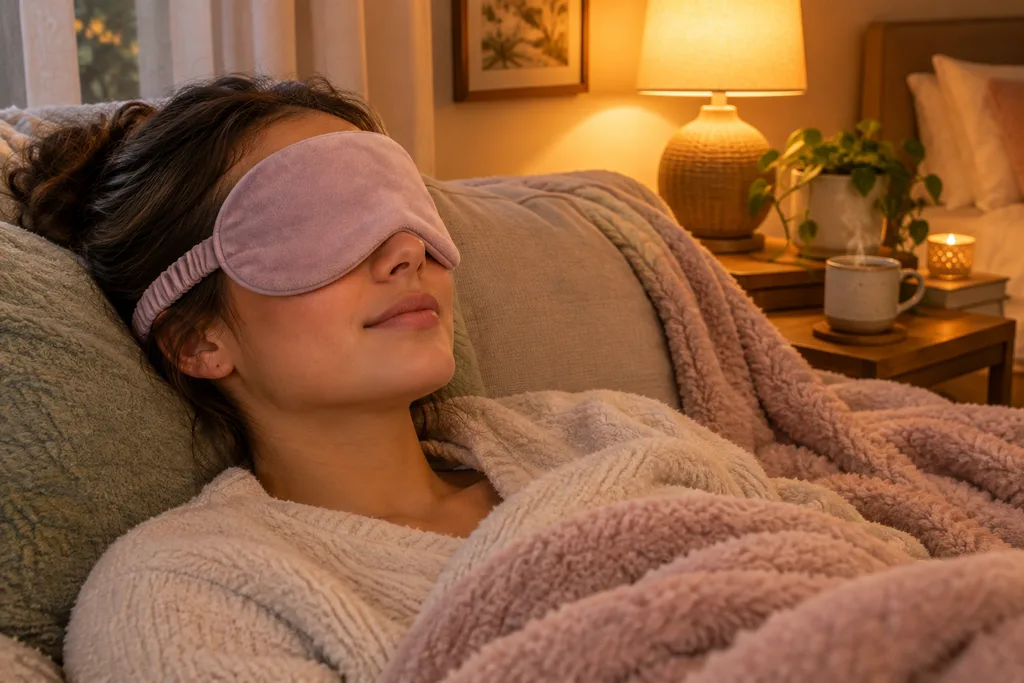
Microwave Gel-Bead Mask or USB Rechargeable Mask: Which Should You Choose?
Heated eye masks split into two main families, and each suits a different habit. A microwave gel-bead mask is heated in short bursts and holds warmth through the session by releasing it gradually; a USB rechargeable mask uses an internal heating element with a dial or app to set an exact temperature and timer.
What Does "Moist Heat" Mean Compared With Dry Heat?
Moist heat comes from beads or gel that carry a small amount of water vapor as they warm, which tends to penetrate the eyelid more effectively than dry heat from an electric element alone. Many microwave masks are built around this moist-bead design for that reason, while USB masks run drier unless the cover is dampened first.
| Feature | Microwave gel-bead mask | USB rechargeable mask |
|---|---|---|
| Heat type | Moist, bead-based | Usually dry, electric |
| Temperature control | Fixed, set by microwave time | Adjustable dial or app |
| Power source | Microwave, then holds heat | Rechargeable battery or cable |
| Good for | Simple daily routine, no charging | Travel, precise temperature, built-in timer |
| Upkeep | Hand-wash cover; beads need no charging | Charge battery; wipe electronic unit |
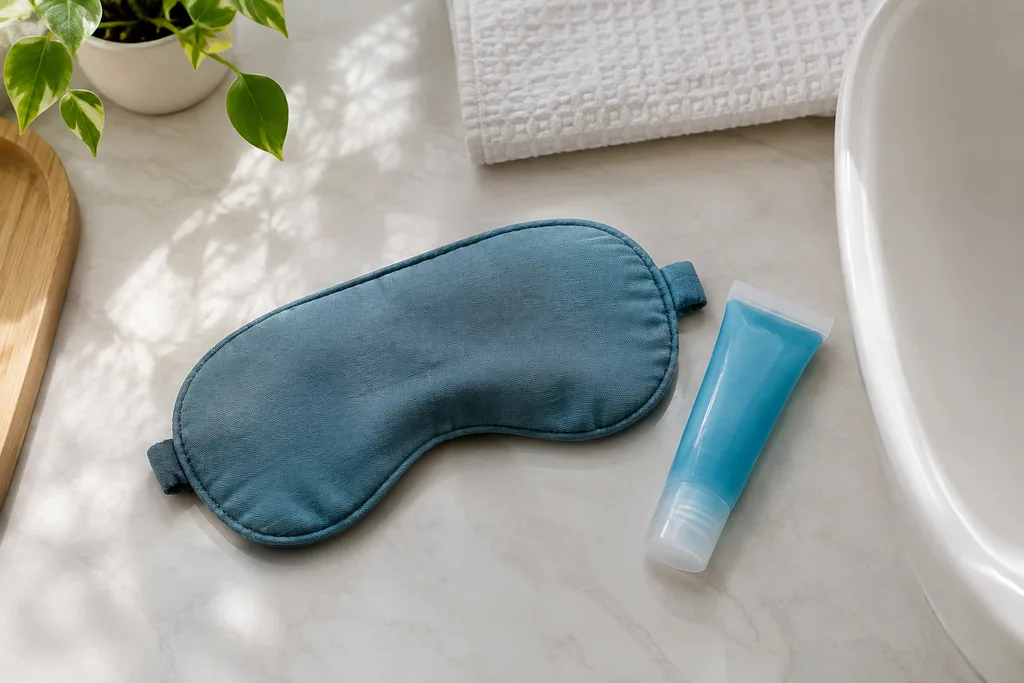
How Hot Is Too Hot? Avoiding Burns From a Heated Eye Mask
Eyelid skin is thinner than most skin on the body, so a mask that feels only mildly warm elsewhere can still cause a burn on closed eyes if it is overheated or left on too long. Always follow the manufacturer's microwave time exactly, and test the mask against the inside of your wrist before closing your eyes.
If a mask ever feels sharply hot rather than comfortably warm, remove it. Never reheat a microwave bead mask beyond the printed time to "boost" the warmth, and never fall asleep wearing one, since you lose the ability to notice overheating.
Who Should Check With a Doctor Before Using Heat on Their Eyes?
Anyone recovering from eye surgery, anyone with an active eye infection or injury, and young children should ask an eye-care professional before trying heat therapy at home. People who take prescription eye drops should also check, since some conditions change how the eyelid tolerates warmth.
Our own experience talking with shoppers is that most questions are about timing and temperature, not whether warmth helps at all — the label's microwave instructions are the detail people skip fastest.
How Do You Use a Heated Eye Mask, Step by Step?
- Remove contact lenses and eye makeup first, since heat and lens materials or makeup residue don't mix well.
- Heat the mask exactly as its instructions say — usually a short microwave burst, or a dial setting on a USB mask.
- Test the warmth against your inner wrist; it should feel warm, never hot.
- Close your eyes and rest the mask over both lids for the time the label recommends, typically several minutes.
- Remove the mask and gently massage the eyelids toward the lash line with a clean fingertip to help released oil spread across the tear film.
- Wash your hands, then apply a lubricant gel or drop if your eyes still feel dry afterward.
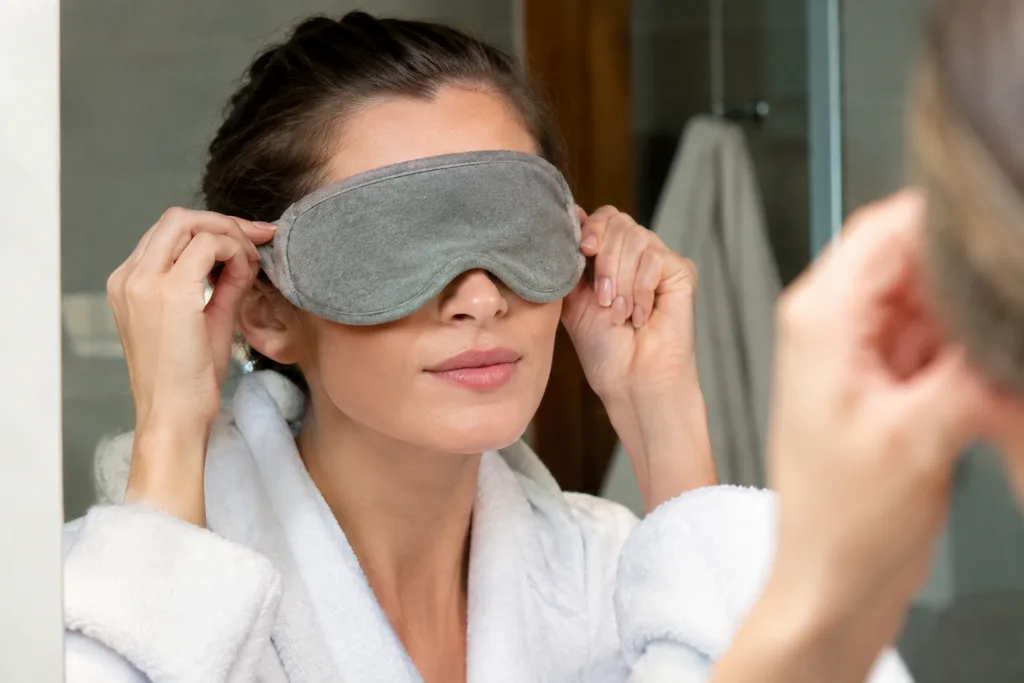
Which Heated Eye Mask Fits Your Routine?
The right mask depends on how and when you'll actually use it, not on the longest feature list. Match the format to a habit you'll keep.
Is a Microwave Mask or a USB Mask Better for Your Day?
Nightly bedtime routine
A moist-heat gel-bead mask warmed in a microwave fits well here: no charging, no settings, just a short heat cycle before bed.
Desk or travel use
A USB rechargeable mask with adjustable heat and a timer suits someone who wants consistency without a microwave nearby, including on a work trip.
Sensitive or reactive eyelids
Choose whichever option lets you set the lowest comfortable temperature and shortest cycle, and stop the first time anything feels sharp rather than warm.
Should You Follow a Heated Eye Mask With a Lubricant Eye Gel?
Warmth loosens the oil that stabilizes your tear film, but it doesn't add moisture back to the eye itself. Many people follow a compress session with a lubricant to relieve the dryness that prompted the warm compress in the first place, since the two steps address different parts of the problem.
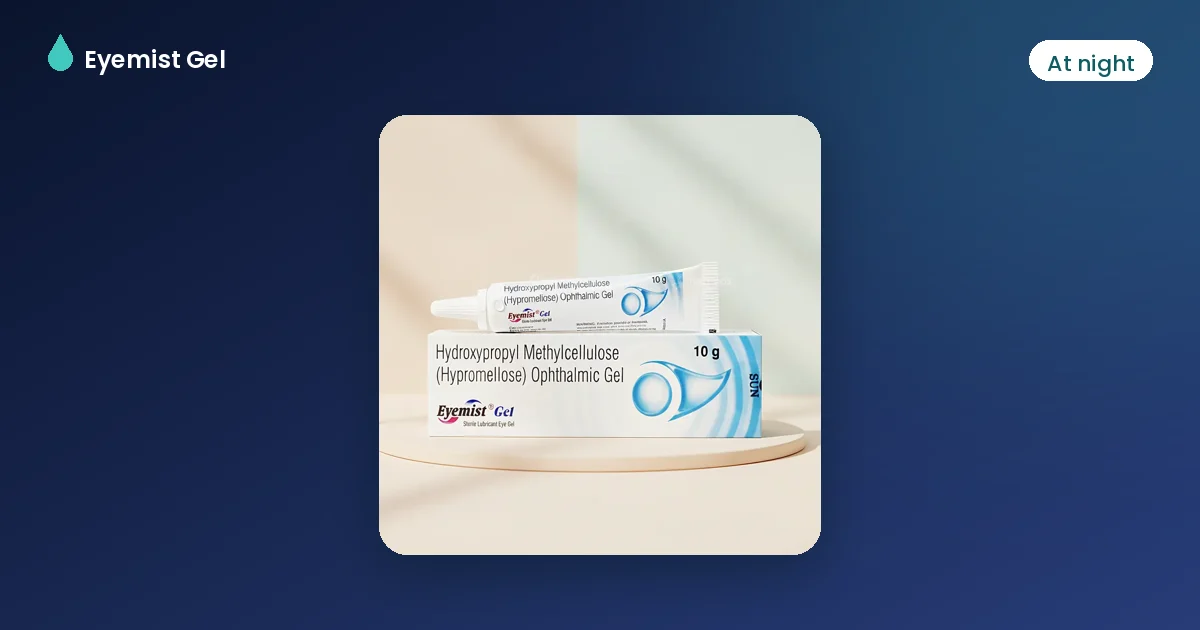
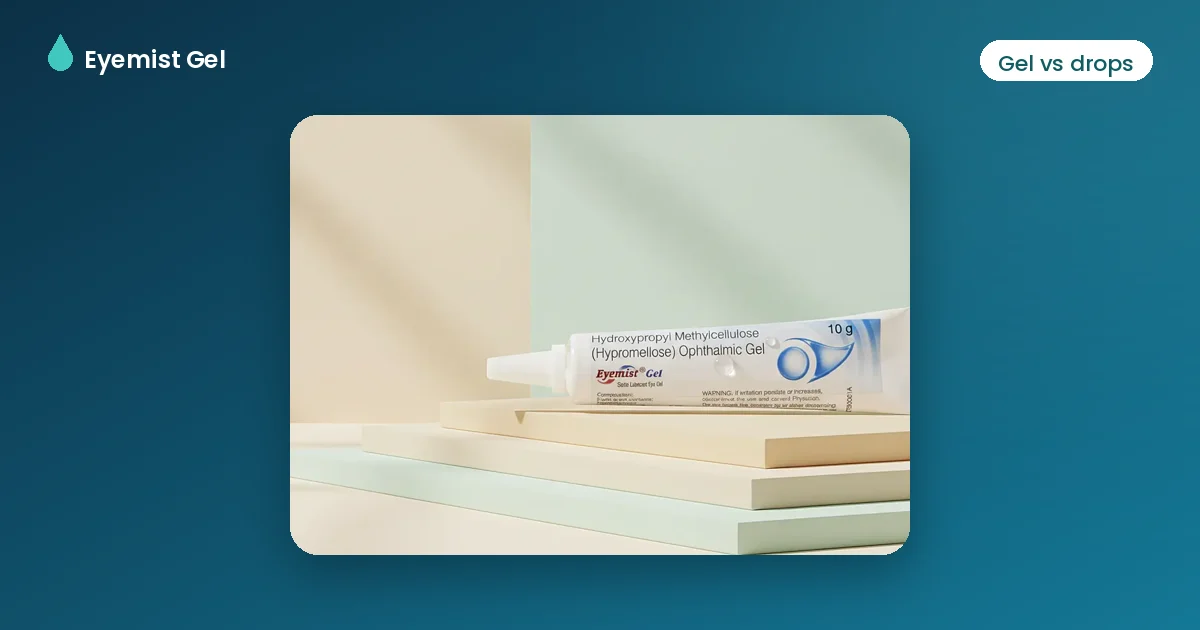
A gel formulated with a demulcent like hypromellose coats the eye's surface and tends to stay longer than a watery drop, which can suit an evening routine right after a mask session, when you're not about to read fine print or drive. Eyemist Gel, a sterile hypromellose 0.3% lubricant eye gel, is labeled for the temporary relief of burning and irritation due to dryness of the eye — always follow the directions printed on its Drug Facts label.
When Should You See an Eye Doctor Instead of Relying on a Mask?
A heated eye mask and an over-the-counter lubricant both offer temporary comfort, not a fix for the underlying cause of dryness. Stop using either and contact an eye doctor if you notice eye pain, any change in vision, redness that won't settle, or symptoms that worsen or last more than 72 hours.
See a professional first if you've had recent eye surgery, have an eye injury or active infection, are caring for a child's eye symptoms, or already take a prescription eye drop — heat and over-the-counter products can interact differently with those situations. The National Eye Institute is a reliable place to read more about when dryness points to something that needs medical care.
If a warm compress routine has become part of your evenings and you still wake up with gritty, tired eyes, pairing it with a hypromellose lubricant eye gel like Eyemist Gel is a reasonable next step to try alongside the mask, not instead of it.
This article is for general information and is not medical advice. Always read and follow the product label, and talk to an eye doctor if your symptoms persist or worsen.
Related Articles


Frequently Asked Questions
Honest answers about Eyemist Gel — ingredients, how to use it, shipping, and returns.
Most heated eye mask labels allow daily use, often once or twice a day, but the exact frequency depends on the specific product's instructions. Start with one short session a day and watch how your eyes respond. If redness, irritation, or discomfort shows up, stop and give your eyes a break, and ask an eye doctor if the problem continues.
Used as directed, a heated eye mask is a low-risk, at-home comfort step, but overheating it, leaving it on too long, or falling asleep with it on can burn thin eyelid skin. Always test the warmth against your wrist first, follow the printed heating time exactly, and remove the mask immediately if it feels sharply hot rather than comfortably warm.
Moist heat, the kind released by bead-filled microwave masks, tends to penetrate the eyelid more effectively than dry heat from a purely electric element, which is one reason many clinicians favor moist compresses for clogged eyelid glands. Dry-heat USB masks can still help, especially if the cover is dampened before use, but check the specific product's instructions.
A lubricant is usually applied after the mask, once the lids have been warmed and gently massaged, since the goal of the heat is to loosen oil first. Many people then use a gel or drop to add moisture back once the warm compress step is finished, following the directions on that product's label.
A warm, damp washcloth is a simple substitute, and it's the basis for the warm-compress advice eye doctors give, but it cools within a couple of minutes and needs reheating to stay effective for a full session. A dedicated mask holds a steadier temperature longer, which is the main practical advantage over a cloth.
Comments (0)
No comments yet. Be the first!